

Written By: Heath House Academic Team
Published on:
The first step into formal education is an emotional milestone, both for children and parents. Those first mornings can feel daunting, with unfamiliar routines and the anticipation of new experiences. Many parents wonder how to guide their child through the delicate balance of excitement and apprehension that comes with settling into reception class. At this stage, families often begin their search for the right environment at a private school in London that offers reassurance, structure, and gentle support.
The reception transition sets the tone for a child’s relationship with school. This is the point where young learners begin forming patterns of confidence, resilience, and curiosity that carry through later years. A successful entry to kindergarten or reception helps children build friendships, develop independence, and gain trust in the learning process. Studies from the Education Endowment Foundation have shown that a strong start in early years not only improves literacy and numeracy outcomes but also strengthens emotional well-being. Parents, therefore, benefit from recognising that these first steps are not simply administrative milestones but deeply formative experiences.
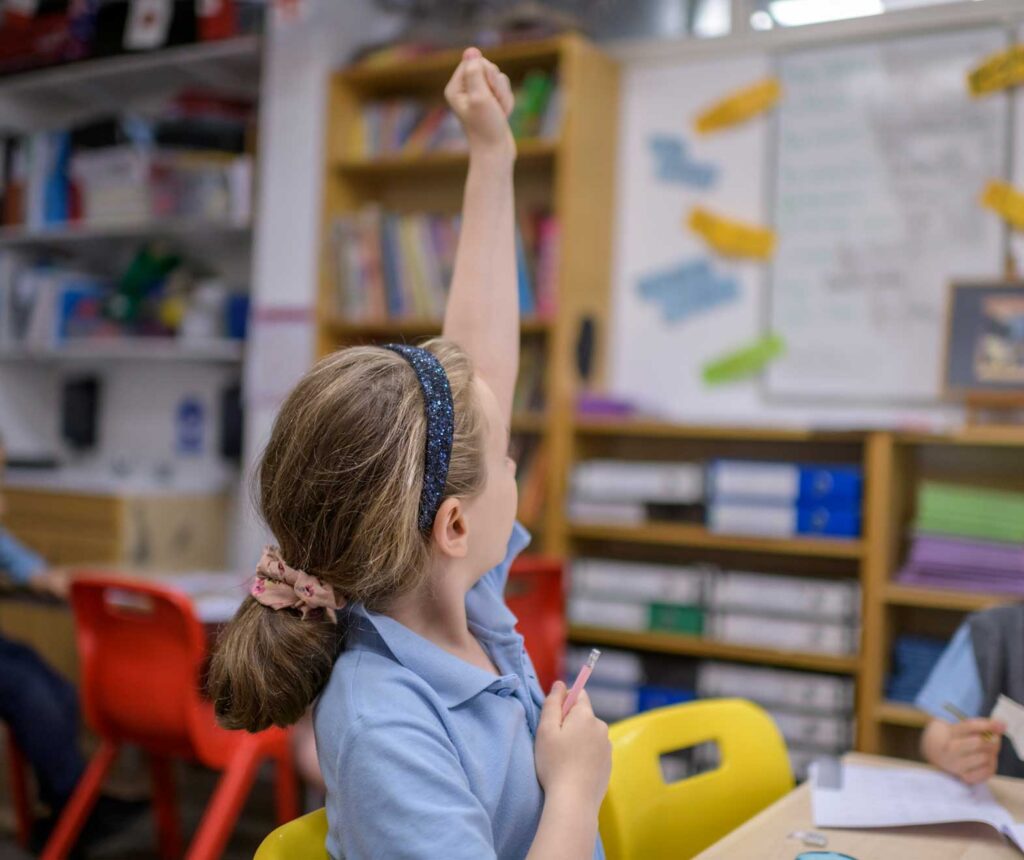
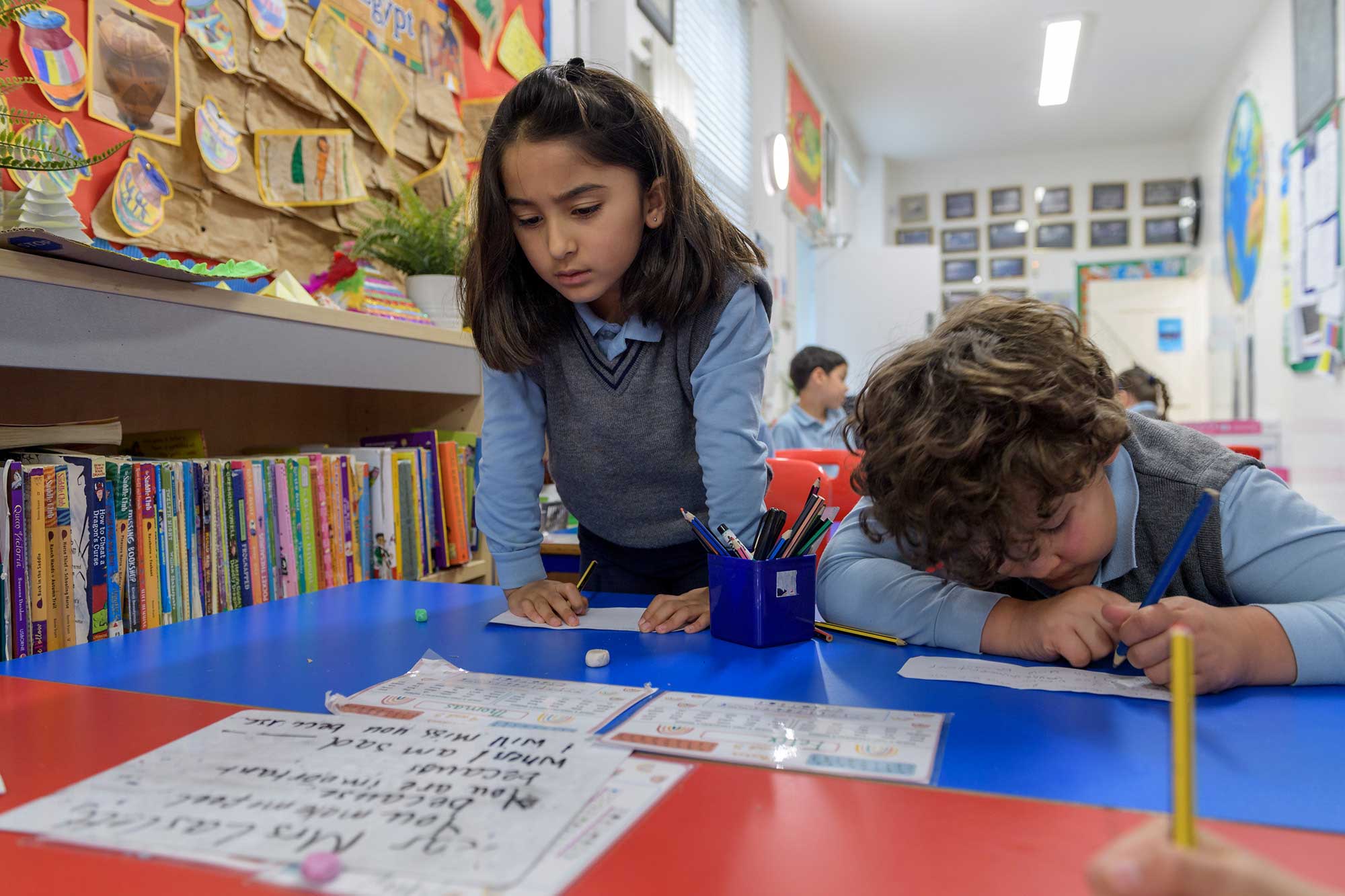
Children often face hurdles during the transition to reception or the transition into kindergarten. One of the most common struggles is separation anxiety; many children find it difficult to leave the comfort of their parents’ side in those early days. Adjusting to structured routines can also be tiring, as the school day introduces formal timings for meals, play, and learning. Some children may find peer interaction overwhelming at first, especially if they are used to smaller playgroups. Fatigue is another factor; moving from home to a full day of school can test even the most enthusiastic little learner. For some families, this can feel like a difficult transition to kindergarten, but with reassurance and consistency, children can adapt and flourish.
Typical challenge | What helps most | How Heath House applies this |
|---|---|---|
Separation anxiety | Warm, predictable relationships with key adults and unhurried goodbyes. | Children are introduced gradually to their key worker, who becomes a familiar face at drop‑off and throughout the day. |
New routines | Clear, consistent schedules and time to practise new expectations. | Heath House uses phased settling‑in sessions to gently introduce classroom routines like snack time, carpet time, and outdoor play. |
Peer interaction worries | Supported small‑group play and adult‑guided turn‑taking. | Staff plan small play‑based activities where teachers model sharing, turn‑taking, and language for making friends. |
Tiredness and overload | Shorter initial days, quiet spaces, and calm endings. | During the first weeks, Heath House offers shorter, phased sessions and makes use of cosy reading corners for rest and reset. |
Parents play a vital role in easing this journey. Below are expert-backed suggestions to support a successful kindergarten transition and help ensure your child feels secure, curious, and ready to learn.
Introduce elements of the school routine before term begins. Setting regular bedtimes, practising morning wake-up schedules, and getting dressed for school-like timings all help children adjust. Simple activities such as packing a bag or putting on shoes independently build familiarity with daily expectations.
If possible, arrange to walk past or spend time near the school before term begins. Familiarity with the building, playground, or classroom entrances can ease nerves on the first day. This small step makes the kindergarten transition checklist feel less intimidating and creates a sense of belonging.
Skills such as using the toilet unaided, washing hands, or managing a coat and shoes empower children and boost their confidence. Encouraging independence through play-based problem-solving or small household responsibilities prepares them for the expectations of a classroom setting. These abilities make the transition into kindergarten smoother and reinforce resilience.
Language shapes attitudes. Speaking warmly about teachers, friends, and activities helps children look forward to new experiences. Using kindergarten transition words such as “exciting,” “fun,” or “new friends” frames school as a positive adventure rather than a challenge. A transition to kindergarten parent guide often emphasises the importance of optimism, as children reflect parental emotions keenly.
Building a strong relationship with teachers is essential for supporting a successful kindergarten transition. Parents should feel encouraged to share insights about their child’s personality, preferences, or any worries. Teachers can then create a nurturing approach tailored to the child’s needs. Communication also reassures parents, who play an equally important role in this collaborative journey.
Together, these approaches form a practical transition to a kindergarten checklist that can be adapted to suit each child’s temperament. The focus should remain on gradual adjustment, nurturing independence, and framing school as a joyful part of daily life.
At Heath House Preparatory School, the experience of beginning school is designed to be both gentle and inspiring. The school’s intimate size allows for personalised care, ensuring that each pupil is welcomed into a familiar and nurturing environment. New families are supported with open channels of parent communication, offering reassurance from the very first day.
A carefully planned, gentle settling-in period enables children to adapt at their own pace, while dedicated key workers provide consistent support throughout the early weeks. Structured routines are introduced with a nurturing touch, combining familiarity with warmth so that pupils quickly feel a sense of belonging. In this way, Heath House ensures that even the smallest steps towards independence are celebrated, helping each child embrace school life with confidence and joy.

The first days of school mark a turning point, shaping a child’s early confidence and curiosity. While the transition to kindergarten or settling into reception class may seem daunting, with thoughtful preparation and empathetic support, children adapt beautifully. Parents can take comfort in knowing that most pupils thrive when guided with patience, consistency, and optimism. With nurturing environments and strong parent-teacher partnerships, every child can achieve a successful kindergarten transition and begin their educational journey with joy and resilience.