

Written By: Heath House Academic Team
Published on:
For many parents, the distinction between Kindergarten and Reception can feel subtle yet significant. Both play an important role in a child’s early learning journey, but understanding the differences, particularly the Reception age compared with the Kindergarten age group, can help families make confident, well-informed decisions when preparing their child for school life.
In the UK, the Early Years Foundation Stage (EYFS) provides the framework for development from birth to age five. Its purpose is to ensure that every child receives the strongest possible start, nurturing not only academic foundations but also personal, social, physical, and emotional growth. Through this framework, children are introduced to communication and language, literacy and numeracy, creativity, problem-solving, and an understanding of the world around them.
Kindergarten, which generally welcomes children from the age of two and forms part of the nursery age UK, serves as a gentle introduction to education. The emphasis here is on play-based exploration, where learning takes place through role play, music, stories, creative activities, and discovery. At this stage, children develop early confidence, practise social interaction, and strengthen problem-solving and communication skills. Many nurseries offer flexible or part-time hours, which allows families to ease children into a learning environment at a pace that suits both child and parent.
Reception, by contrast, is the first official year of compulsory schooling and typically begins at the age of four, which is the standard age for reception class in the UK. Reception, by contrast, is the first official year of compulsory schooling and typically begins at the age of four, which is the standard age for reception class in the UK. It continues to embrace play, yet introduces more structured teaching. Phonics forms the foundation of early reading and writing; daily mathematics and problem-solving activities become part of the routine, and lessons extend into physical education, the creative arts, and broader topic-based learning. Reception also places strong emphasis on resilience, independence, and adaptability, ensuring children are well prepared for the transition to Key Stage 1.
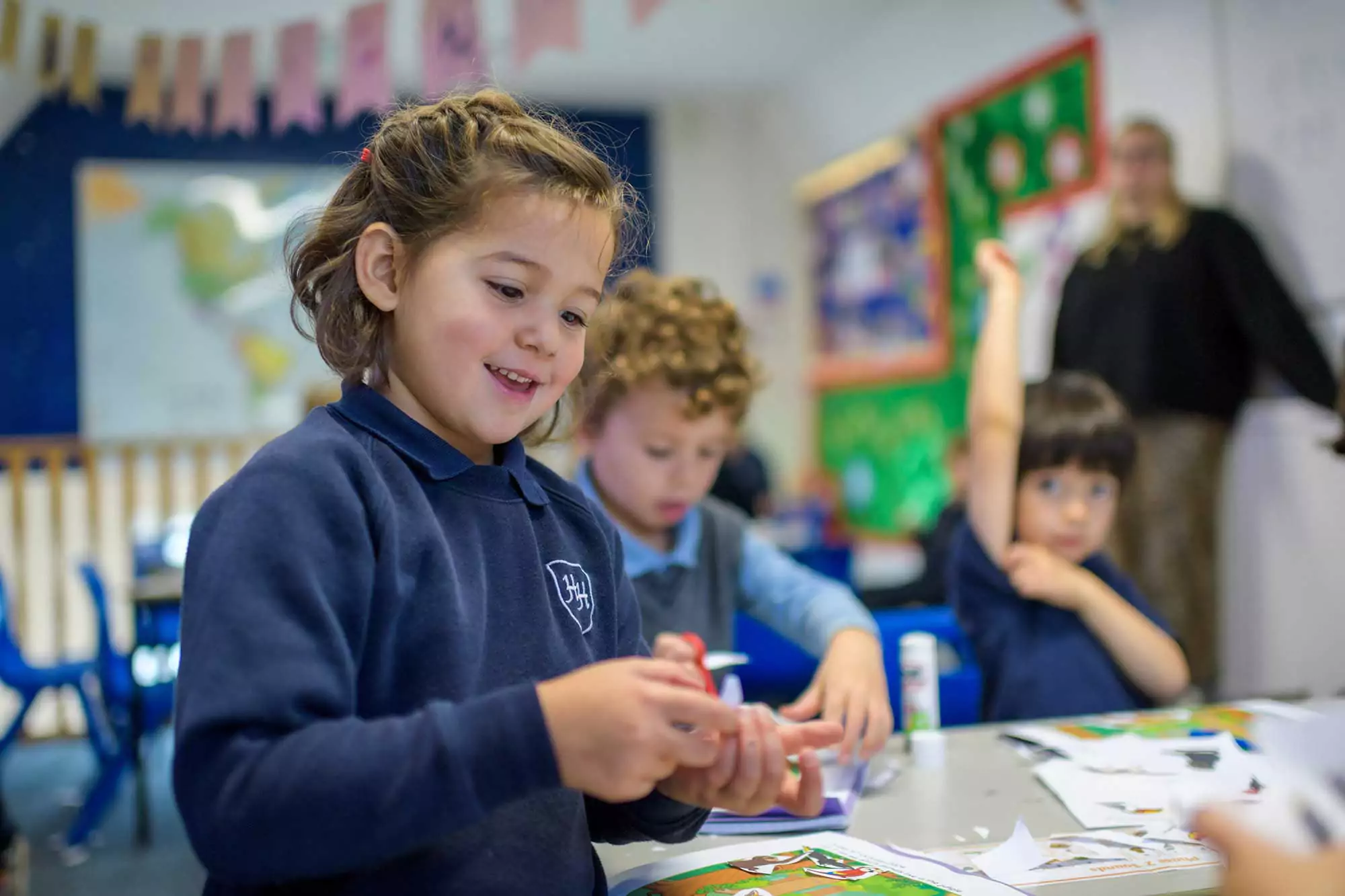
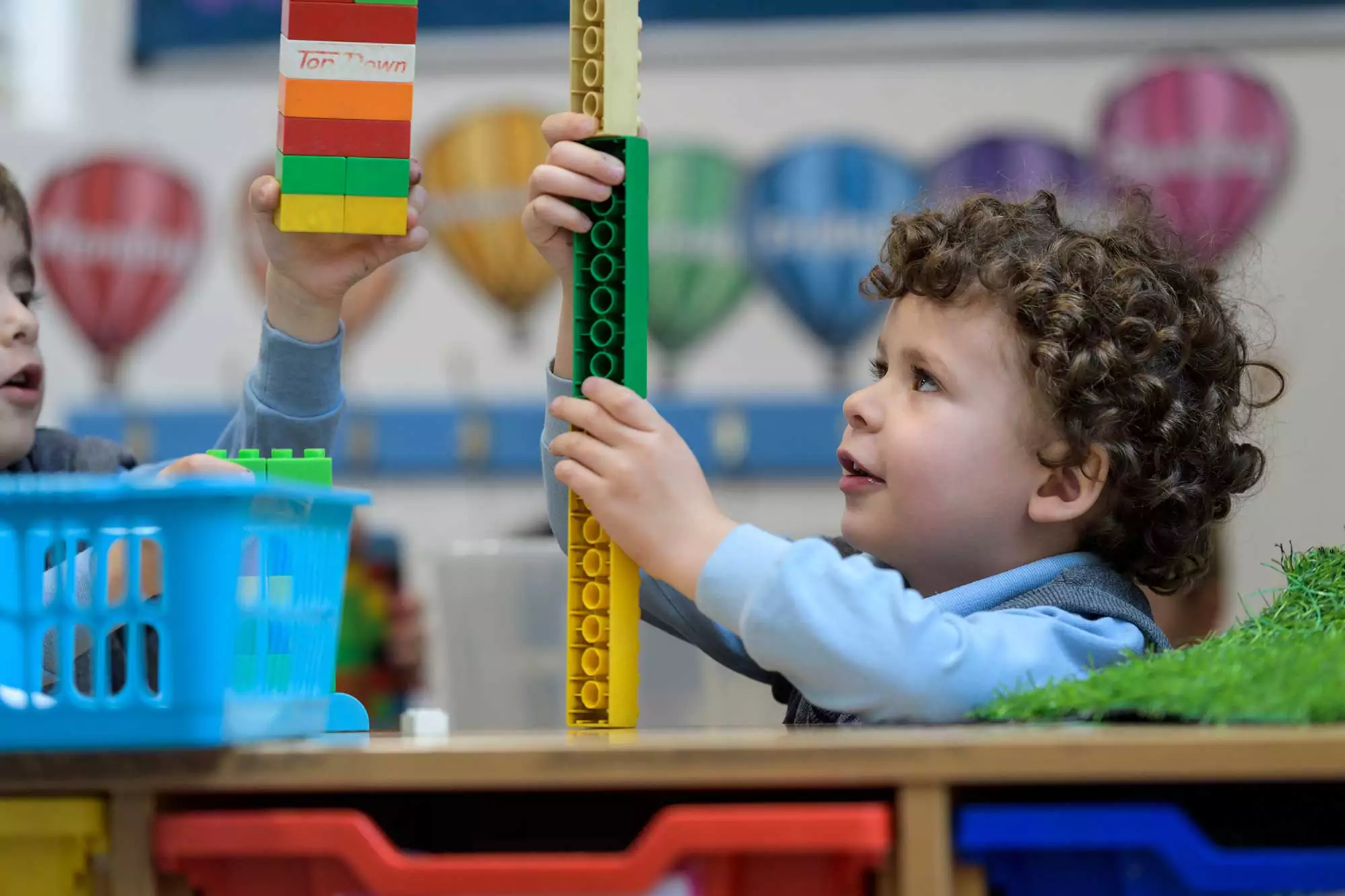
The differences between Kindergarten and Reception lie not only in age group but also in approach.
Aspect | Kindergarten (2–4 years) | Reception (4–5 years) |
|---|---|---|
Learning style | Play-based, exploratory | Structured lessons and play |
Curriculum | Focus on social, emotional, and basic literacy skills | Phonics, early maths, preparation for Key Stage 1 |
Environment | Flexible, exploratory spaces | Formal routines with timetabled sessions |
Parent role | Close involvement, daily updates | Independence encouraged, regular communication maintained |
Schedule | Flexible/part-time hours | Full school timetable |
When deciding between the two—nursery or reception particularly within a private school in London, UK, parents may wish to reflect on several considerations.
The reception age in the UK is four, yet readiness varies for each child. Some may be thriving socially and emotionally at age three and ready for the challenges of reception, while others may benefit from spending longer in the Kindergarten age group in the UK. Reflect on whether your child shows signs of readiness for the reception age curriculum in the UK, such as recognising letters or following structured routines.
Choosing between Kindergarten and reception should therefore consider your child’s emotional maturity as much as academic ability, alongside the level of pastoral care in school available to support them.
Each child’s personality influences how they engage with learning. Some flourish in the open-ended, creative exploration of Kindergarten, while others thrive in the structure and consistency of reception. Observing your child’s temperament, curiosity, and learning style helps guide decisions when assessing Kindergarten vs Reception.
Family routines also matter. Nurseries may provide flexible schedules, while reception follows a full school timetable. For families with older siblings already in school, reception may provide smoother coordination. However, for families balancing complex work schedules, Kindergarten flexibility can be invaluable.
By considering all four aspects, parents can feel more confident when choosing between Kindergarten and Reception.
Educational research highlights that early childhood development thrives when learning environments are tailored to a child’s social and emotional readiness as much as their academic progress. Studies from the UK Department for Education affirm the importance of balancing play and structure in foundational years, supporting the approaches seen in both Kindergarten and Reception settings.